Imagine the aroma of a bustling Parisian boulangerie wafting through your kitchen, the promise of golden-crusted, tender bread filling the air. For many, the thought of recreating classic French breads like baguettes or flaky croissants at home seems like a daunting task, reserved only for professional bakers. But what if we told you that one of France's most beloved and luxurious breads – brioche – is not only achievable but surprisingly straightforward to master in your own home?
Prepare to transform your culinary space into a true French cuisine as we dive into the world of authentic, buttery, and melt-in-your-mouth fluffy French brioche. This isn't just a bread; it's an experience, a journey to unparalleled homemade perfection that will have you wondering why you didn't try it sooner.
What Makes Brioche So Special? Understanding This French Classic
Brioche is more than just bread; it's a testament to French culinary ingenuity, a rich and delectable 'viennoiserie' that blurs the lines between bread and pastry. Originating in France as early as the 15th century, brioche has evolved into a global favorite, cherished for its unique characteristics. At its heart, brioche is an enriched dough, meaning it goes beyond the basic flour, water, salt, and yeast of traditional bread. It's generously laden with eggs and, crucially, a significant amount of butter, which imparts its signature tender crumb, golden hue, and irresistibly rich flavor.
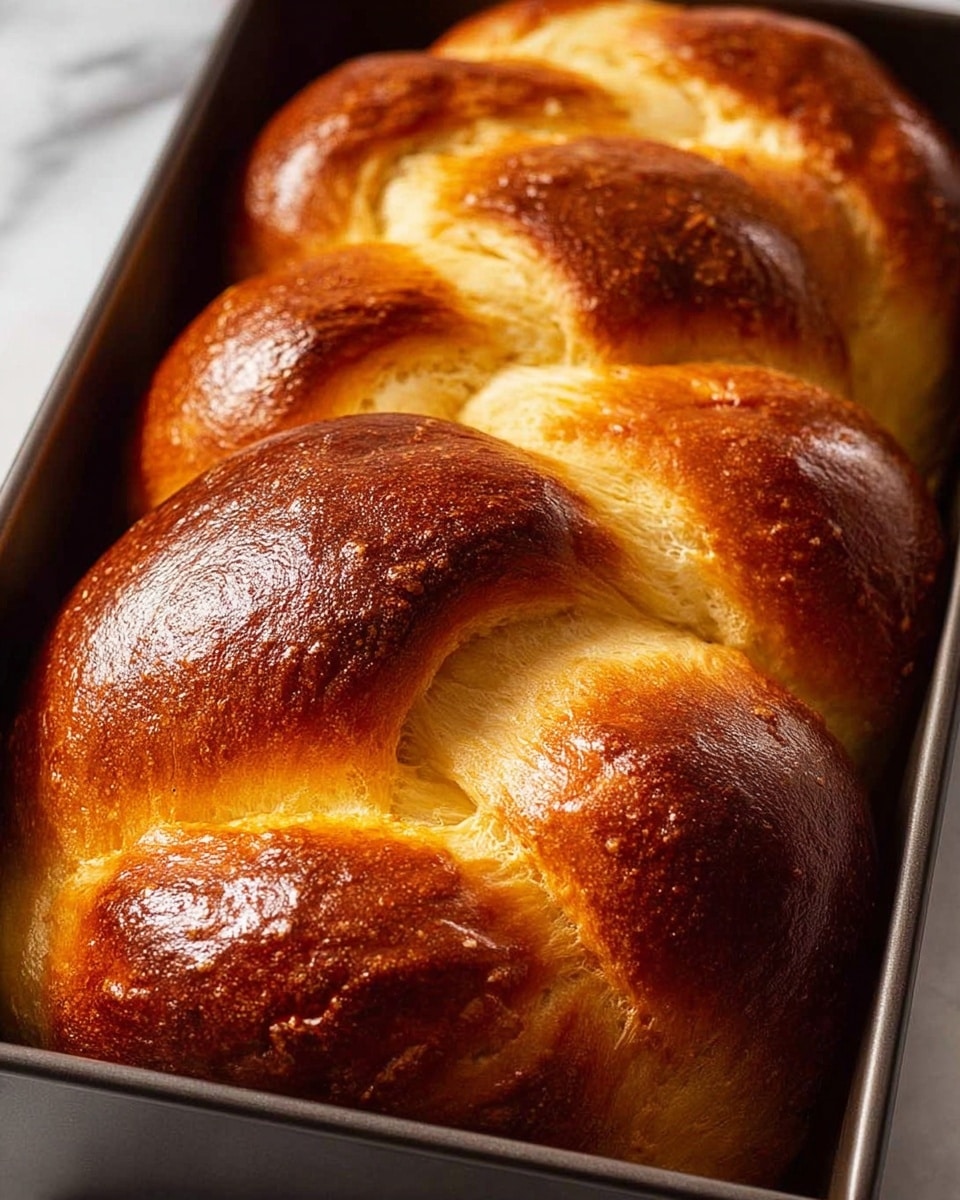
Visually, a perfect brioche loaf boasts a dark golden crust, often shiny from an egg wash, encasing an interior that is astonishingly soft, airy, and pillowy. Its texture can be likened to a delicate sandwich bread or even challah, yet it’s distinctly lighter and more ethereal due to that high butter content. While some might find the buttery intensity robust, it’s precisely this richness that makes brioche so versatile. Enjoy it sweet, perhaps as a luxurious French Toast (pain perdu), in bread pudding, or simply toasted with jam. Alternatively, its subtle sweetness makes it an excellent companion for savory applications, from gourmet sandwiches to a unique accompaniment for charcuterie. This dual nature is what truly sets it apart in the world of baked goods.
The Essential Ingredients for Your Perfect Fluffy French Brioche Loaf
Creating an authentic fluffy French brioche loaf recipe begins with understanding the role of each key ingredient. Quality matters here, as each component contributes significantly to the final taste and texture.
- Flour: You have options here. All-purpose flour will yield a wonderfully soft brioche. Bread flour, with its higher protein content, will give you a slightly chewier crumb, adding a pleasant resilience. For a balanced approach, many bakers find a 50/50 blend of both delivers the best of both worlds – tender yet with good structure.
- Dairy: A combination of whole milk and heavy cream (or double cream) is the secret to an incredibly rich and moist brioche. The fats in the cream contribute to the luxurious mouthfeel, while the milk provides essential liquid for the dough's development. Ensure your dairy is at lukewarm temperature to help activate the yeast efficiently.
- Butter: Unsalted butter is crucial. Brioche is famed for its buttery flavor, so opt for good quality butter. Using unsalted allows you to control the overall salt content in the recipe. The butter should be melted but not hot – just warm enough to be liquid.
- Egg: After extensive experimentation, many recipes agree that just one large egg is enough to achieve that signature fluffy result without making the dough too dense or eggy. The egg adds richness, helps with the structure, and contributes to the golden color of the crumb.
- Salt: A small amount of fine salt is essential. It not only enhances the flavors of the other ingredients but also helps to control yeast activity and strengthen the gluten network in the dough.
- Sugar: Plain white granulated sugar serves multiple purposes. It provides food for the yeast, allowing it to activate and proof effectively, and it adds that characteristic subtle sweetness and tenderness to the brioche.
- Yeast: Active dry yeast is commonly used and requires activation in warm liquid. If you opt for instant yeast, you can typically skip the activation step and mix it directly with the dry ingredients. Remember to use about 25% less instant yeast than active dry, as it's more potent. Always check the expiration date on your yeast for optimal results!
- Egg Wash: A simple mixture of one egg and a splash of milk, whisked together, brushed over the risen dough before baking, is what gives brioche its iconic shiny, deep golden-brown crust.
Mastering the Art: A Step-by-Step Fluffy French Brioche Loaf Recipe
Don't be intimidated by the reputation of French baking. This foolproof fluffy brioche recipe is designed for home bakers to achieve spectacular results. Patience and attention to detail are your best allies.
Prepping and Activating Your Yeast
Begin by gently melting your unsalted butter. You can do this in short bursts in the microwave (10-15 seconds) or over a double boiler to prevent scorching. Once melted, combine it with your lukewarm milk, sugar, and active dry yeast in a small bowl. Stir gently and set it aside for about 5-7 minutes. You'll know the yeast is active when the mixture becomes foamy and bubbly, indicating the yeast is alive and ready to work its magic. If using instant yeast, you can often skip this step and add it directly to the dry ingredients in the next stage.
Making the Brioche Dough: The Heart of the Loaf
The brioche dough is enriched and sticky, which is perfectly normal due to the high fat content. You can mix it by hand, though a stand mixer with a dough hook attachment will significantly ease the process.
- Combine Ingredients: In a large mixing bowl (or the bowl of your stand mixer), combine the activated yeast mixture (or all ingredients if using instant yeast), flour (all-purpose, bread, or your chosen blend), salt, cream, and the large egg.
- Initial Mix: Mix on low speed (or with a sturdy spoon) until the ingredients just come together into a shaggy, sticky dough.
- Kneading for Perfection: This is where gluten development happens, crucial for brioche's fluffy texture.
- Stand Mixer: Attach the dough hook and knead at medium speed for 10-12 minutes. The dough will start very sticky but will gradually become smoother and more elastic. It’s ready when it clears the sides of the bowl and you can lift the dough hook, and the dough cleanly releases.
- By Hand: Turn the sticky dough out onto a lightly floured surface (resist the urge to add too much flour). Knead for 15-20 minutes, or even up to 30 minutes, using a push-and-fold motion. The dough will be challenging initially, but it will eventually become smooth, velvety, and pliable, passing the "windowpane test" (you can stretch a small piece thin enough to see light through it without tearing).
The All-Important First Rise (Proofing)
Once your dough is beautifully smooth, lightly grease your mixing bowl and place the dough inside, turning it once to coat. Cover the bowl tightly with plastic wrap or a clean kitchen towel to prevent it from drying out. Let it rise in a warm, draft-free spot for about 1 hour, or until it has roughly doubled in size. For an even deeper flavor development and a firmer dough that's easier to handle, consider a "cold proofing" method: place the covered dough in the refrigerator overnight (8-12 hours). This slow rise allows the flavors to mature beautifully.
Shaping Your Brioche Loaf
After the first rise (or cold proof), gently punch down the dough to release the air. Turn it out onto a lightly floured surface. For a classic brioche loaf, you can divide the dough into 3-4 equal pieces, gently shape each into a ball, and arrange them side-by-side in a greased loaf pan (9x5 inches is standard). Alternatively, you can shape it into a single log or even braid it for a more decorative finish. Ensure the pieces fit snugly to create a cohesive loaf.
The Second Rise and Baking to Golden Perfection
Once shaped, cover the loaf pan loosely with plastic wrap or a kitchen towel and let it undergo a second rise in a warm place for another 45-60 minutes, or until it looks visibly puffy and has nearly doubled in size again. While it's rising, preheat your oven to the specified temperature (typically around 375°F / 190°C).
Just before baking, gently brush the top of the risen brioche with your egg wash (1 egg whisked with 1 tablespoon of milk or water). This will give your loaf that iconic, glossy, deep golden crust. Bake for 30-40 minutes, or until the brioche is deeply golden brown and sounds hollow when tapped on the bottom. An instant-read thermometer inserted into the center should read 190-200°F (88-93°C). If the crust browns too quickly, you can loosely tent it with foil.
Once baked, remove the brioche from the oven and let it cool in the pan for about 10-15 minutes before carefully transferring it to a wire rack to cool completely. Slicing too early can result in a gummy texture.
Tips for Brioche Success: Achieving Buttery Soft Perfection Every Time
To ensure your homemade fluffy French brioche loaf recipe turns out perfectly every time, keep these valuable tips in mind:
- Room Temperature Ingredients: Ensure your eggs and dairy are at room temperature. This helps them incorporate more easily into the dough and promotes better yeast activity.
- Don't Be Afraid of Sticky Dough: Brioche dough is inherently sticky due to its high fat content. Resist the urge to add excessive amounts of extra flour during kneading or shaping, as this will make your brioche tough and dry. A lightly floured surface or greased hands are usually sufficient.
- Patience with Kneading: Developing the gluten structure is paramount for a light and airy brioche. Don't cut short the kneading time, whether by hand or with a stand mixer. A well-kneaded dough is the foundation of a perfect loaf.
- The Power of Cold Proofing: As mentioned, an overnight cold proof in the refrigerator not only enhances the flavor profile of your brioche, making it more complex and nuanced, but also firms up the butter in the dough, making it much easier to handle and shape without it becoming a sticky mess.
- Quality Butter Makes a Difference: Since butter is such a star ingredient in brioche, using a high-quality, European-style butter with a higher fat content can significantly elevate the flavor and texture of your final loaf.
- Don't Rush the Rises: Yeast needs time to work. Ensure your dough has doubled in size during both proofing stages. Rushing this process will result in a denser brioche.
- Serve It Right: Brioche is best enjoyed fresh. It makes incredible French toast, delectable bread pudding, or simply toasted with a smear of jam. It's also fantastic for gourmet sandwiches or as a dinner roll.
With these insights and steps, you are well-equipped to bake an extraordinary, buttery soft, and fluffy French brioche loaf that will impress everyone who tastes it. Get ready to enjoy the authentic taste of a French boulangerie, right in your own home!
