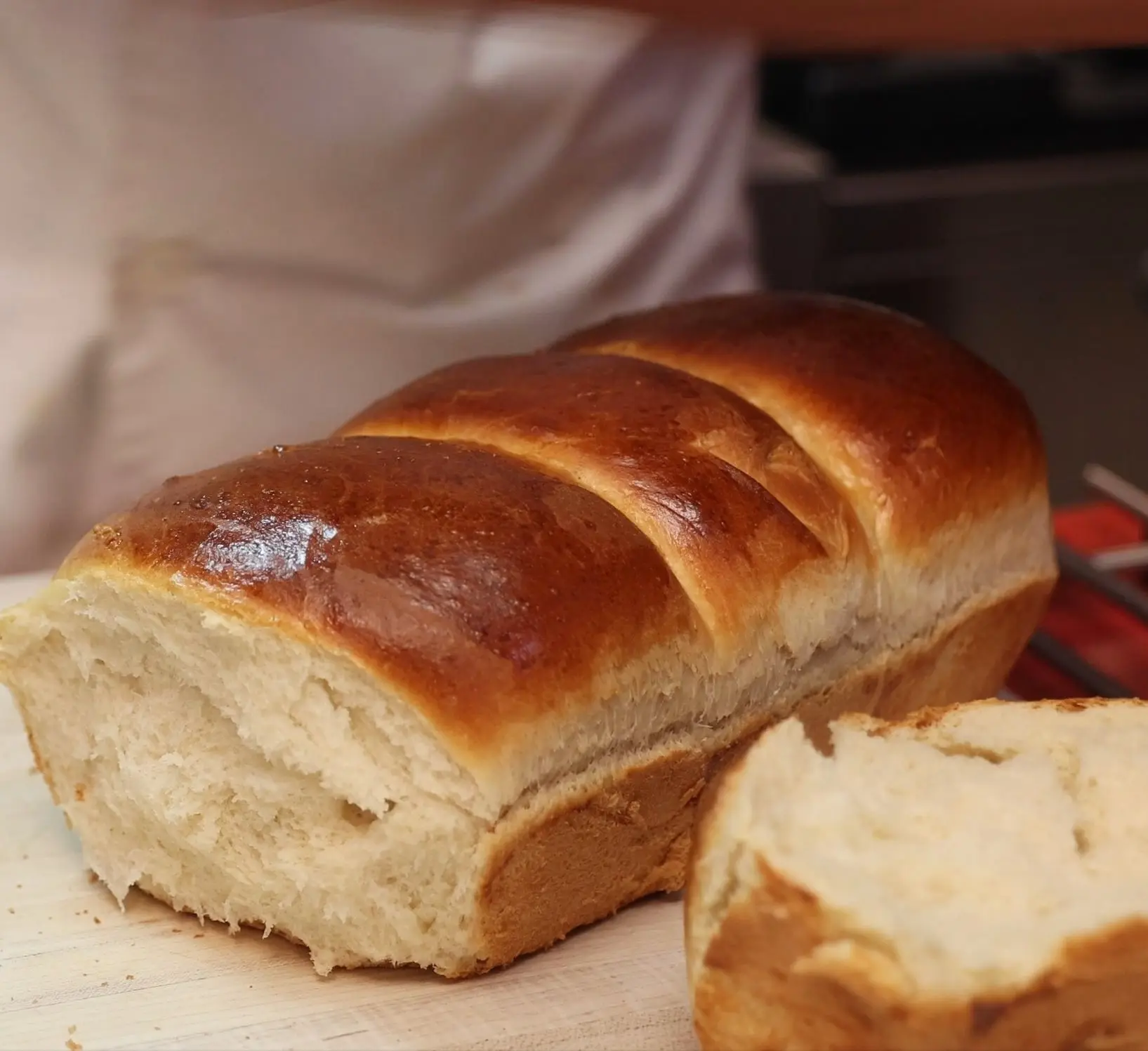
Foolproof Fluffy Brioche: Your Easy Guide to Classic French Bread
Imagine the aroma of freshly baked bread wafting through your kitchen – a scent so intoxicating it transports you straight to a quaint Parisian boulangerie. For many home bakers, the thought of creating a classic like French brioche might seem daunting, a culinary Everest reserved for professional patissiers. But what if we told you that achieving a truly easy homemade French brioche: soft & fluffy loaf recipe is not only possible but surprisingly straightforward? Get ready to transform your kitchen into a hub of authentic French cuisine with this foolproof guide to baking the most exquisite, fluffy French brioche loaf recipe you've ever tasted.
Brioche is more than just bread; it's a celebration of rich flavors and an impossibly tender texture. Forget dry, crumbly loaves; a homemade brioche promises a golden, slightly crisp crust yielding to an airy, buttery interior that practically melts in your mouth. This comprehensive guide will demystify the process, turning what seems complex into an enjoyable and rewarding baking adventure. You'll learn the secrets behind its signature fluffiness, the role of each ingredient, and step-by-step techniques to ensure your success from dough to delicious slice.
What Makes Brioche So Special? Understanding This French Classic
At its heart, brioche is a type of authentic French brioche: buttery soft homemade perfection, a viennoiserie that blurs the lines between bread and pastry. Originating in France as early as the 15th century, brioche distinguishes itself from other breads through its enriched dough. Unlike a lean baguette made simply with flour, water, yeast, and salt, brioche incorporates generous amounts of butter, eggs, milk, and sugar. These additions are what give brioche its characteristic golden crumb, unparalleled richness, and famously soft, pillow-like texture.
Its unique composition results in a bread that is incredibly versatile. With a dark golden crust and a light, airy interior, brioche can elevate both sweet and savory dishes. Imagine it as the base for a luxurious pain perdu (French Toast), a decadent bread pudding, or even summer pudding. Beyond these classics, slices of brioche make exceptional sandwiches, delightful croutons, or simply a magnificent accompaniment to your morning coffee or afternoon tea. Its subtle sweetness and rich butteriness make it universally appealing, a true testament to French culinary artistry.
The Essential Ingredients for Your Fluffy French Brioche Loaf
Creating an extraordinary fluffy French brioche loaf recipe begins with understanding the role each ingredient plays. Quality matters, but with a few simple choices, you'll be well on your way to brioche perfection:
- Flour: You have options here! All-purpose flour will work beautifully for a tender crumb. For a slightly chewier brioche with more structure, opt for bread flour, which has a higher protein content. A 50/50 blend often provides a fantastic balance of tenderness and chew.
- Dairy: A combination of whole milk and heavy cream (or double cream) is a secret weapon for ultimate richness and moisture. The fats in the cream contribute significantly to brioche's signature tender texture.
- Unsalted Butter: This is the star of the show. Use unsalted butter so you can control the salt content in the recipe. Good quality butter will make a noticeable difference in flavor. The high fat content in butter is what makes brioche so tender and rich, giving it its characteristic melt-in-your-mouth quality.
- Egg: After extensive testing, many bakers find that just one large egg strikes the perfect balance for optimal fluffiness and color. Too many eggs can sometimes lead to a denser crumb, while too few might result in less richness and a paler loaf.
- Salt: A small amount of salt is crucial not just for enhancing the flavors of the brioche but also for regulating yeast activity and strengthening the gluten structure.
- Sugar: Plain white granulated sugar is all you need. It serves multiple purposes: it feeds the yeast, aids in achieving that beautiful golden-brown crust through caramelization, and contributes to the bread's tender texture and subtle sweetness.
- Yeast: Active dry yeast is a reliable choice, and it needs a short activation period. If using instant yeast, you can typically use 25% less and skip the activation step, adding it directly with the dry ingredients. Instant yeast is very forgiving and a great choice for beginners.
- Egg Wash: A simple mixture of one egg and a splash of milk or water, brushed over the dough just before baking, is key for that iconic shiny, deep golden crust. This creates the perfect visual appeal for your homemade brioche.
Crafting Your Fluffy French Brioche Loaf: A Step-by-Step Method
Making homemade brioche is less about complex techniques and more about patience and attention to detail. Follow these steps for a guaranteed fluffy French brioche loaf recipe:
1. Preparing Your Wet Ingredients and Activating Yeast
- Begin by gently melting your unsalted butter. You can do this in short bursts in the microwave or over a double boiler. Be careful not to overheat it; it should be just melted, not scorching hot.
- In a small bowl, combine the warm (not hot!) melted butter, milk, sugar, and active dry yeast. Give it a gentle stir. Set this mixture aside for about 5-10 minutes. This allows the yeast to "bloom," indicating that it's alive and ready to work. You'll see a light foam or bubbles forming on the surface. If you're using instant yeast, you can skip this step and add it directly with your dry ingredients later.
2. Mastering the Brioche Dough: Kneading for Perfection
The kneading stage is where the magic truly happens, developing the gluten that gives brioche its structure and chew while incorporating all that rich butter.
- Combine Ingredients: In a large mixing bowl (or the bowl of a stand mixer), combine the yeast mixture (or all wet ingredients if using instant yeast), flour, salt, and heavy cream. Add the single large egg.
- Mixing: Using a sturdy spoon or a dough hook attachment on your stand mixer, mix the ingredients until they come together into a shaggy, sticky dough. Don't be alarmed by the stickiness; enriched doughs like brioche are naturally quite moist.
- Kneading by Hand: If kneading by hand, turn the dough out onto a lightly floured surface. Knead vigorously for about 15-20 minutes, or up to 30 minutes. The dough will start very sticky but will gradually become smoother, more elastic, and less sticky as the gluten develops. You'll know it's ready when it feels soft, velvety, and can pass the "windowpane test" – you should be able to gently stretch a small piece of dough thin enough to see light through it without tearing.
- Kneading with a Stand Mixer: This is often the preferred method for brioche due to its high fat content. Attach the dough hook and knead at medium speed for 10-12 minutes. The dough will initially cling to the sides of the bowl, then gradually pull away and become smooth and elastic. When you lift the dough hook, the dough should cleanly lift from the bowl, indicating proper gluten development.
3. The Art of Proofing: Allowing Your Brioche to Rise
Proofing is critical for that coveted fluffy French brioche loaf recipe texture. Brioche typically benefits from two rises.
- First Rise (Bulk Fermentation): Place the kneaded dough in a lightly oiled bowl, turning it once to coat. Cover the bowl tightly with plastic wrap or a clean kitchen towel to prevent it from drying out. Let it rise in a warm, draft-free location for about 1-1.5 hours, or until it has roughly doubled in size. Ideal warm spots include an oven with just the light on, a sunny windowsill, or a proofing box.
- Chill (Optional but Recommended): For an even richer flavor and easier handling, many bakers recommend refrigerating the dough overnight after the first rise. This slow fermentation develops complex flavors and makes the buttery dough much firmer and less sticky to shape. If you choose this, punch down the risen dough gently, re-cover, and refrigerate for 8-12 hours.
4. Shaping Your Brioche Loaf and Second Proof
Once your dough has completed its first rise (and optional chill), it's time to shape it into a beautiful loaf.
- Punch Down: Gently deflate the dough by pressing it down to release the air.
- Shape: On a lightly floured surface, gently shape the dough into a log or divide it into smaller balls, arranging them in a loaf pan. A common method is to divide the dough into three equal pieces, shape each into a smooth ball, and arrange them side-by-side in a greased loaf pan (9x5 inches is standard). This gives a lovely, rustic appearance.
- Second Rise (Final Proof): Cover the loaf pan loosely with plastic wrap or a kitchen towel. Let it rise again in a warm, draft-free spot for another 45-60 minutes, or until the dough has nearly doubled in size and looks visibly puffy. This final proof is essential for a light and airy interior.
5. Baking Your Golden Brioche
- Preheat Oven: While your brioche is on its second rise, preheat your oven to 375°F (190°C).
- Egg Wash: Just before baking, gently brush the top of the risen brioche with your egg wash (one egg whisked with a tablespoon of milk or water). This will give it that characteristic golden shine.
- Bake: Bake for 30-35 minutes. The brioche should be deeply golden brown on top and sound hollow when tapped on the bottom. If it's browning too quickly, you can loosely tent it with aluminum foil for the last 10-15 minutes of baking. For absolute certainty, an instant-read thermometer inserted into the center should register 190-200°F (88-93°C).
- Cool: Once baked, immediately remove the brioche from the loaf pan and transfer it to a wire rack to cool completely. This prevents the bottom from becoming soggy. While tempting, resist cutting into it until it's cooled; this allows the internal structure to set properly.
Enjoying Your Homemade Brioche
The best part of baking a fluffy French brioche loaf recipe is, of course, enjoying it! Once your brioche has cooled, slice into its golden perfection. Serve it simply with butter and jam, transform it into the most luxurious French toast you've ever had, or use it to make gourmet sandwiches. It also freezes beautifully; simply slice it and store in an airtight bag for a quick treat anytime.
Making brioche at home is a rewarding experience that proves you don't need a professional kitchen to create exceptional French bread. With a little patience and this easy guide, you'll be baking irresistible, fluffy brioche loaves that rival any boulangerie. So roll up your sleeves, embrace the joy of baking, and get ready to impress yourself and everyone lucky enough to share a slice of your homemade masterpiece.
